
Breast
 Cancer Risk Factors
Breast cancer risk factors fall into two main categories — genetic and environmental/lifestyle. Having one or more risk factors does not mean you will get breast cancer, but awareness helps with prevention and early detection.


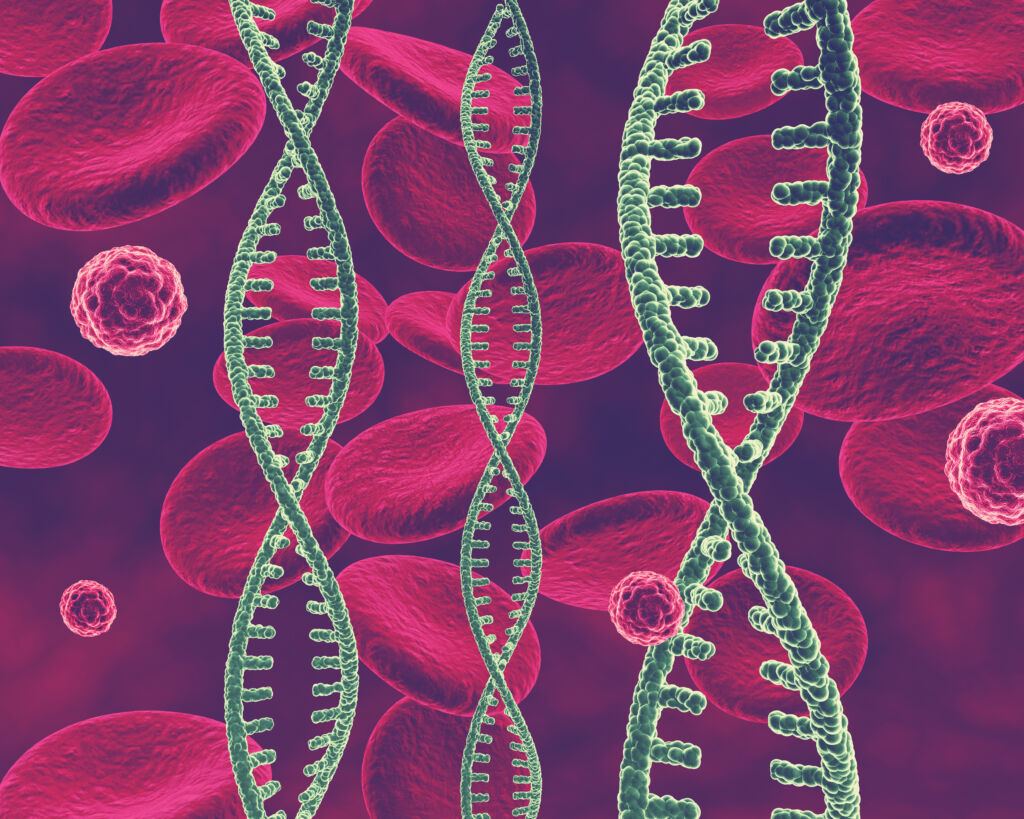
Genetic Risk Factors
Gender
Women are about 100 times more likely to develop breast cancer than men due to hormonal and genetic influences.
Age
The likelihood of breast cancer increases as you get older, especially after the age of 55.
Family History
Having close relatives with breast cancer, especially before 50, can raise your chances.
Personal Health History
A previous breast cancer diagnosis or abnormal cell growth increases future risk.
Menstrual & Reproductive History
Early periods, late menopause, or not having children can slightly increase risk.
Dense Breast Tissue
Denser tissue can make cancer harder to detect and slightly raise the risk.
Environmental & Lifestyle Risk Factors
Lack of Physical Activity
Not being active regularly can lead to weight gain and higher breast cancer risk.
Poor Diet
Diets high in saturated fats and low in fruits and vegetables may raise risk.
Being Overweight/Obese
Excess weight, especially after menopause, increases estrogen levels that fuel cancer.
Radiation to Chest
Radiation therapy to the chest before age 30 can increase lifetime risk.
Hormone Replacement Therapy
Long-term combined HRT can increase the risk of advanced breast cancer.
Dense Breast Tissue
Denser tissue can make cancer harder to detect and slightly raise the risk.
Breastfeeding
Breastfeeding for 1.5–2 years may slightly reduce breast cancer risk.
Smoking
Smoking is linked to a higher risk, especially for younger women.
Alcohol
The more alcohol consumed, the higher the breast cancer risk.
Common questions
Frequently asked questions
01 If I have a family member with breast cancer, will I definitely get it too?
No, it only increases your risk. Many women with family history never get breast cancer, and many with no family history do.
02 Can lifestyle changes really lower my risk?
Yes, staying active, eating healthy, avoiding smoking, and limiting alcohol can help reduce risk.
03 Does having dense breast tissue mean I have cancer?
No, dense breast tissue isn’t cancer, but it can make detection harder and slightly increase risk.