
Post
 Treatment
It’s normal to feel anxiety, depression, weakness, or helplessness after treatment. Remember, surviving is something to be thankful for — and healing takes time.

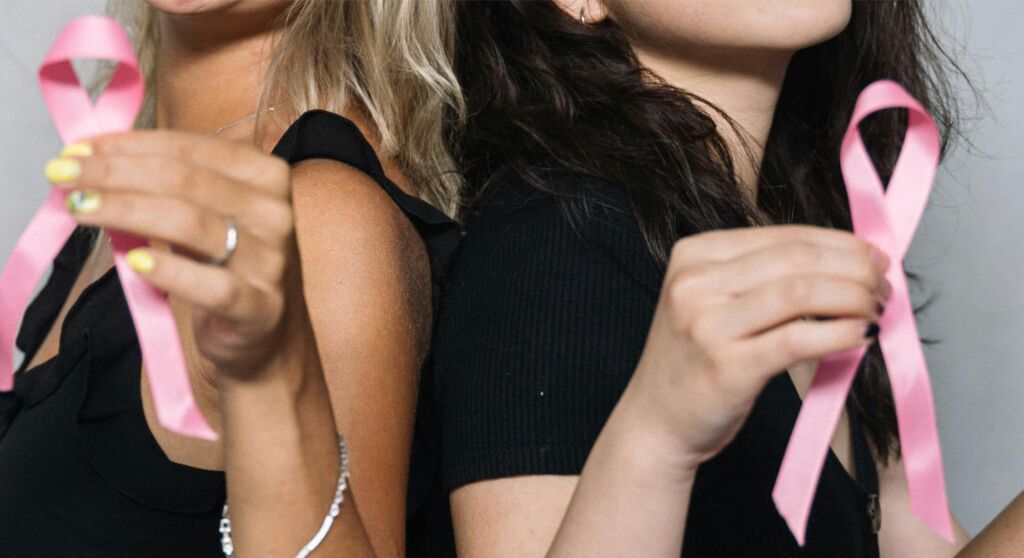
Coping After Breast Cancer Treatment
Changes to Your Body After Surgery
Your body may look bruised and swollen at first; this improves over time.
Seeing your scar can be difficult; some women prefer to look with a nurse or loved one. Try not to delay this step.
Feeling self-conscious, less confident, or “incomplete” is common.
Getting Comfortable With Your New Body
Try these steps gradually:
Look at yourself fully clothed and find 3 things you like.
Try looking in lingerie or underwear next.
Then, look at your naked body in a full-length mirror — notice what feels good and what feels uncomfortable.
Touch and get familiar with your scars or reconstruction.
The more you do this, the more natural it will feel.
Effects of Radiation Therapy
Skin may become red, itchy, sore, or peel — similar to sunburn.
Loose, lightweight clothing is more comfortable than traditional bras during treatment.
Fatigue often increases after several weeks of radiation.
Side Effects of Biological Therapy
Possible symptoms: pain, rashes, swelling, flu-like symptoms, digestive issues, allergic reactions.
These drugs help your immune system fight cancer but can have side effects to watch for.
Hormone Therapy Side Effects
May cause menopause-like symptoms:
hot flashes, nausea, vaginal dryness or spotting.
Some drugs (like Tamoxifen) have risks such as blood clots or uterine cancer — discuss benefits vs risks with your doctor.
Psychological and Social Effects
Returning to “normal” life takes time; emotional changes and fears may linger.
Around 30% of women experience prolonged anxiety or depression.
Support from family, therapy, or medications can help.
Decisions about prosthesis or reconstruction depend on personal and lifestyle factors.
Menopausal Symptoms
Treatment may induce menopause, causing:
Hot flashes
Night sweats
Joint pain
Weight gain
These symptoms can affect how you feel about your body.
Hormone Therapy Side Effects
May cause menopause-like symptoms:
hot flashes, nausea, vaginal dryness or spotting.
Some drugs (like Tamoxifen) have risks such as blood clots or uterine cancer — discuss benefits vs risks with your doctor.
Hair Loss & Regrowth
Hair loss from chemotherapy is temporary for most women. Hair usually grows back after treatment ends. Wigs and new styles can be empowering during this time.
Start your health journey with reliable lab testing
Common questions
Frequently asked questions
01 What physical changes can I expect after breast cancer surgery?
After surgery, your breast area may be bruised, swollen, and scarred. These changes can affect your body image and confidence, but over time your body will heal, and you can gradually get used to the changes.
02 What are common side effects of radiation, biological, and hormone therapies?
Radiation can cause skin redness, soreness, and fatigue. Biological therapy may cause flu-like symptoms, pain, or skin reactions. Hormone therapy often leads to menopause-like symptoms such as hot flashes, nausea, and vaginal dryness.
03 How can I cope with the emotional and psychological effects after treatment?
Many women experience anxiety, depression, or fear of recurrence. Seeking support from family, counseling, or a psychiatrist can help. Using prostheses or choosing reconstruction depends on personal comfort and lifestyle.