
What is
 Breast Cancer
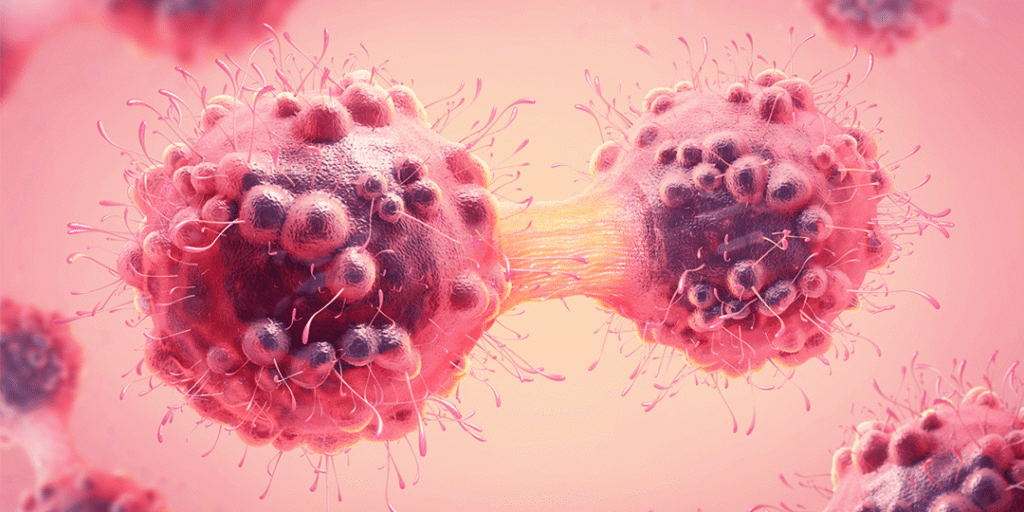
Cells in the body normally divide at a steady and even pace. The body continuously forms new cells to replace old or injured ones. Sometimes, cells multiply too quickly and form a lump, called a tumour. Nearly 80% of lumps found on mammograms are not cancer—they are usually benign, like cysts or other non-cancerous conditions. A tumour is called cancer only when it starts invading nearby tissues and organs, causing damage.


Types of Breast Cancer
Non-Invasive Cancer
Cancerous changes stay within the breast ducts or lobules.
Examples: Ductal Carcinoma In Situ (DCIS), Lobular Carcinoma In Situ (LCIS).
Primary (Invasive) Cancer
Tumor grows outside ducts and lobules into surrounding breast tissue.
Can invade nearby tissues if untreated.
Secondary (Metastatic) Cancer
Cancer spreads from the breast to other parts of the body.
Commonly starts in axillary lymph nodes, then may reach bones, brain, or other organs.
Common questions
Frequently asked questions
01 What causes a breast lump to form?
Breast lumps form when cells multiply too quickly. Most lumps are benign, like cysts, but a tumour is cancerous only if it starts invading nearby tissues.
02 Are all breast lumps cancerous?
No. Nearly 80% of lumps found on mammograms are non-cancerous. Only lumps that invade surrounding tissue are considered cancer.
03 How do doctors classify breast cancer?
Breast cancer is classified as non-invasive (stays in ducts/lobules), primary/invasive (spreads to surrounding breast tissue), or secondary/metastatic (spreads to other organs).